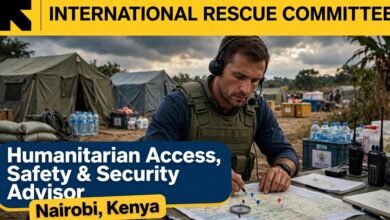
The International Rescue Committee (IRC) is hiring a Regional Safety and Security Director for East Africa, based in Nairobi, Kenya. It is one of the most senior leadership roles in the region, covering the safety of staff and aid programmes. Experienced humanitarian security professionals with deep East Africa knowledge will find themselves at the centre of decisions affecting many colleagues.
Safety work in humanitarian aid is often misunderstood. It is not only about guards, gates and travel rules. It is about making sure teams can reach people who need help, even in difficult places.
What this director actually leads
The director provides strategic leadership for safety, security and humanitarian access across East Africa. Strategy means setting the direction on risk, team rules, and responses when situations change suddenly. The role also serves as principal safety and security adviser to the Regional Vice President.
Humanitarian access is a key part of the job. Access means reaching communities safely and keeping programmes running without putting staff or local people at risk. That needs careful planning, honest risk assessment, and close work with country teams who know their local context best.
Key details at a glance
| Detail | What is confirmed |
|---|---|
| Organisation | International Rescue Committee (IRC) |
| Role | Regional Safety and Security Director, East Africa |
| Base | Nairobi IHUB, Kenya |
| Region covered | Uganda, Kenya, Sudan, South Sudan, Somalia, Ethiopia |
| Experience required | At least 10 years in international humanitarian assistance |
| Travel | Up to 40% of the time |
| Applicants | National and international applicants |
| Salary figure | Not stated on the official page |
The role sits at the Nairobi IHUB. Listings also name Ethiopia and Uganda as possible bases, so expect a regional posting with regular travel.
Who this role is built for
This is not an entry-level or mid-career post. The IRC asks for at least 10 years of experience in international humanitarian assistance. The successful candidate will already have led safety work in difficult settings.
You are a strong fit if you:
- Have at least 10 years of international humanitarian experience, with safety, security or access work at its core.
- Know East Africa well, including each country’s political and security dynamics.
- Are fluent in English, with Arabic, Amharic, Somali or Swahili as a clear advantage.
- Can travel up to 40% of the time and work calmly when plans change at short notice.
Prior East Africa experience is specifically required, with strong knowledge of regional dynamics. Safety risks here differ from country to country, so a generic security background will not be enough. The IRC wants someone who already understands how conflict, displacement and local politics interact across these six countries.
A quick self-check before you apply
Senior roles attract many applications, so be honest with yourself first. If your experience is mostly in one country, or mostly in programme delivery rather than safety and access, this may not be the right step yet. A country-level safety role, such as the IRC Humanitarian Access Safety Security Advisor role in Nairobi.
If you have advised country directors, led security planning across several countries, or managed a serious incident response, you are in the right territory. Think of moments when your judgement kept a team safe or a programme running. Those examples matter far more than a list of training courses.
What the package does and does not say
Many readers look for a salary figure first, so here is the honest position: no salary figure is given on the official page. The posting says a highly competitive national salary scale and benefits will apply, so pay follows the IRC’s national scale for the duty station.
One detail matters for national candidates. Returning national candidates may receive a package including a return flight, shipping, temporary housing and a relocation allowance. That underlines that national candidates from the region are prioritised. International applicants are also welcome, but should read the full posting for the terms that apply to them.
How to make your application stand out
For a role at this level, a generic CV will not be enough. The panel will look for evidence of judgement, not just years served. For each role on your CV, add one short line about a decision you made or a risk you managed, and what happened as a result.
Show your regional knowledge directly. Rather than writing that you “know East Africa”, name the countries you have worked in and the dynamics you dealt with, such as election-related tension or access talks with local authorities. Prepare too for questions about difficult calls, like saying a trip cannot go ahead.
How to apply
Applications go through the IRC’s official careers page using the button below. Read the full posting there first. Tailor your application to the safety, security and access responsibilities described above rather than sending a general CV.
One important note on the closing date: the date of 31 December is listed on vacancy listings, but the official IRC page text fetched for this article did not display a closing date. Treat it as the listed date, not one confirmed on the official page, and confirm it on the official posting itself. No timezone was stated, so apply well before the listed date.
Related roles worth a look
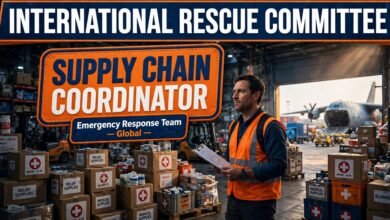
If this director role feels one step beyond your experience, consider the IRC ERT Supply Chain Coordinator and the Plan International Regional Humanitarian Preparedness Response Coordinator, which cover emergency and preparedness work from different angles.
Frequently asked questions
Q: Is this role only for Kenyan nationals?
A: No. It is open to national and international applicants, with national candidates from the region prioritised.
Q: Is the 31 December closing date confirmed on the official IRC page?
A: No. It comes from vacancy listings, while the official page text fetched showed no closing date, so confirm it on the official posting itself.